
"Watch Your Timing"
Tips to improve your rhythm for better dancing
TECHNIQUE & FORMMINDSET & MENTAL TRAININGFEIS PREPARATION
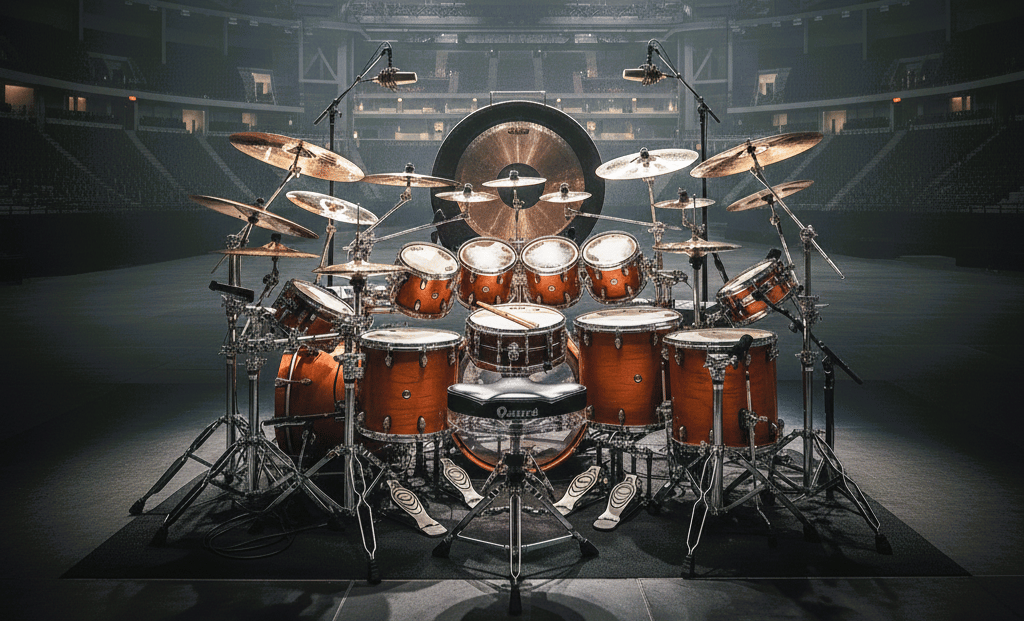
I used to think that most people have an innate sense of timing. My father was a drummer and I was either born with his understanding of rhythm and syncopation, or I learned it through early and frequent exposure to his practice pad and metronome.
When other dancers struggled with timing, I assumed they were part of a small percentage of people who couldn’t hear where a beat should be placed to create a rhythm.
It wasn’t until I had my own children—and saw that only two could clap to a beat while the others seemed completely lost—that I realized complex musical understanding isn’t always a natural ability.
But it is also true that even those who aren’t rhythmically gifted can learn—it just takes practice!
Rhythm is a skill rooted in pattern recognition, timing, coordination, and auditory-motor connection. Those abilities vary person to person, but like language or balance, they strengthen with exposure and repetition. Some people pick it up effortlessly, while others require deliberate practice, but the brain is highly capable of improving rhythmic timing at almost any age.
Some people are genuinely “beat-deaf” (congenital amusia affecting around 1–4 % of the population), but most variation is on a normal continuum, not a binary “have rhythm/no rhythm.” If you are a dancer, chances are you can learn how to get on time.
Rhythmic skills show the same hallmarks of neuroplasticity as language acquisition or motor learning (balance, athletic skills, etc.). And as with language, infants show early sensitivity to beat and meter through passive exposure.
Children who receive musical training (or even just dance classes or listening to music regularly) develop better timing and synchronization.
Adult music-training studies (e.g., drum lessons, dance classes, or beat-alignment training in labs) reliably improve performance on rhythm tasks, even in older adults.
Older adults (60–80+) who take piano or drum lessons show measurable improvements in beat synchronization and motor timing. The ceiling is lower than if you started at age 5, but meaningful improvement is almost always possible.
Here are some practical, evidence-based ways to improve your rhythm and begin dancing with more confidence and better timing:
1. Start with clapping or tapping to music
Pick songs with strong, clear beats. Clap along or tap your foot, and notice whether you hit the beat with the music or slightly before/after.
2. Use a rhythm app or metronome
I have advised some of the dancers I coach to download the app called ‘Rhythm Trainer’ because it gives you immediate feedback about your timing. It starts easy and gradually progresses as you become more accurate.
Using a metronome also provides a steady reference point. I encourage you to record yourself and play it back so you can hear where you deviate.
3. Sing or count your steps out loud to the song
Counting reinforces timing in the brain. Singing your steps helps you understand where each beat and accent occurs.
4. Film yourself and play it back on x .25 or .5 the normal speed
Record yourself dancing hard shoe with the music. Play it back slowed down but with the sound on. This will allow you to hear how close to the music your beats are hitting.
5. Let yourself figure it out
When you are practicing at home, put on the music with the easiest rhythm to follow and try making sense of where your trebles and bangs should go.
Accents are often the anchor points in a heavy dance, so let those “bangs” and clicks get you back on track.
Slow the music down so that you can figure out how a rhythm stays with the timing.
6. Dance to a variety of music
Don’t just use the same slip jig or hornpipe (or even set dance) song every time you dance. Mix it up so that you are able to detect the timing and start no matter what song you are given to dance to in class or at a feis.
So Get To Work!
Rhythm isn’t a talent reserved for the musically gifted. It is a skill that develops with patience, repetition, and the right guidance. Even those who feel “hopeless with rhythm” often make remarkable progress once they train consistently and learn to feel the beat instead of just hearing it.
Social
Phone
info@jigstrongcoaching.com
+1 415 301 0043
© JigStrong Coahing 2025. All rights reserved.