Is Baking Soda an Irish Dancer's Breakfast of Champions?
Sodium bicarbonate (baking soda) has been shown to delay fatigue in events lasting less than 15 minutes
FEIS PREPARATIONNUTRITION FOR DANCERSSTRENGTH & CONDITIONING
Irish dancing demands a level of power, stamina, and repeatability that rivals sprint athletics. Between high kicks, dynamic jumps, quick yet controlled trebles, and dances that last 1-2 minutes, dancers rely heavily on the body’s anaerobic energy systems—the same systems that produce the burning legs, heaving lungs, and “I’m dying” fatigue that hits near the middle to end of each dance.
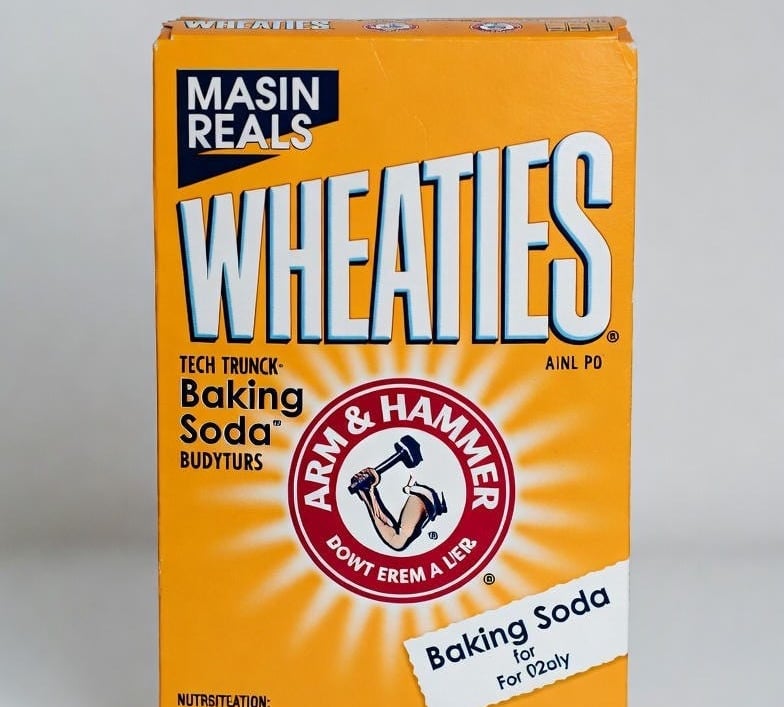
Despite sounding too simple to be effective, there is one legal supplement that is one of the most well-supported performance aids in sports science: Sodium bicarbonate, commonly known as baking soda. It acts as an extracellular buffer to mitigate acidosis during high-intensity exercise by increasing blood pH and bicarbonate levels, allowing athletes to sustain efforts longer before fatigue sets in.
For too long Irish dancers have been treated as quaint folk dancers rather than the high-level athletes they are. So shouldn’t they be seeking some of the same training and nutritional advice as other athletes? It’s time for this cohort to start implementing some of the lessons from other sports and exercise science.
Why Sodium Bicarbonate Works
High-intensity exercise increases lactate production. Lactate builds inside the muscles when energy is needed faster than your body can deliver oxygen to them. In this oxygen-short situation, muscles switch to anaerobic glycolysis: they break down glucose/glycogen without oxygen, producing ATP very quickly. It is not a “waste product.” It is a fuel!
When lactate accumulates at a rate that outpaces clearance, hydrogen ions (H⁺) build up inside the muscles, which lowers the pH of the muscle cell (making it more acidic). This process interferes with muscle contraction and stimulates pain receptors. This is the primary source of the burning sensation.
Sodium bicarbonate increases the blood’s buffering capacity, meaning it helps pull H⁺ out of the muscles more effectively. The result:
You can maintain high-intensity output longer.
The drop-off in power happens later.
Recovery between rounds or steps/drills improves.
For sports that rely on 30 seconds to 15 minutes of all-out work, the benefits can be meaningful.
Meta-analyses show 2–3% average improvement in high-intensity events (often the difference between podium and recall.
Newer research shows it also speeds recovery between bouts/rounds and can be “topped up” during long competitions.
Who Is Most Likely to Benefit
Sodium bicarbonate is not for every dancer. But it’s especially helpful for:
Open-level dancers competing in major competitions
Dances that are long, fast, include lots of jumps and unforgiving butt kicks
Dancers doing several rounds or back-to-back competitions
Dancers with explosive, high-power styles
Dancers who “die” halfway through a round
If you fade quickly despite being well-trained, bicarbonate can delay fatigue. High power outputs cause faster acid accumulation, exactly where bicarbonate helps. The extra buffering helps maintain technique under fatigue.
Sodium bicarb is less useful for young dancers, low-intensity sessions, or pure endurance work (lasting >15 minutes).
How to Take It Safely and Effectively
1. The Evidence-Backed Dose
Research shows benefits at 0.2–0.3 grams per kg of bodyweight.
Lighter, sensitive dancers: start at 0.2 g/kg
Most dancers: 0.3 g/kg
Always weigh the dose using a food scale. Do not guess with tablespoons.
2. Timing
Take it about 1 hour after eating.
Take it 60–120 minutes before dancing.
Most dancers feel best around 75–90 minutes pre-round.
3. How to Mix It
Choose one:
Mix the weighed powder in a minimum volume of 0.5 liters of water
Mix with a sports drink if the taste is too harsh (it’s kinda hard getting it down!)
Use enteric-coated capsules (much easier on the stomach)
Use a commercial hydrogel bicarbonate product if available
What About Side Effects?
This is the big issue: GI distress (nausea, bloating, stomach gurgling, or diarrhea)
To reduce risk, always try it in training first! Never use it first on the day of a feis or major.
Start with a lower dose: 0.2 g/kg is more tolerable.
Split the dose: take half 2 hours before; half 1 hour before.
Use enteric-coated capsules or a pre-made or mixable hydrogel rather than using your cabinet baking soda and making your own.
If you have chronic GI issues, sodium bicarbonate may not be the right choice.
A Sample Protocol for an Irish Dancer
For a 55 kg Open dancer:
Step 1 — Test Day (at home):
Dose: 0.3 g/kg → 55 × 0.3 = 16.5 g
Mix with water or use capsules
Take 80 minutes before a simulated full-out round
Track: stomach symptoms, fatigue curve, and finishing power
Step 2 — Adjust:
If you feel sick → drop to 0.2 g/kg or use capsules.
Step 3 — Competition Day:
Only use if testing went well.
Take your dose 75–90 minutes before lining up.
Does It Replace Fitness?
Absolutely not.
Sodium bicarbonate helps only when a dancer is already well-conditioned but hits a performance limit due to acid buildup. It cannot compensate for:
poor stamina
low leg power
inconsistent technique
under-training
It is an aid for sharpening the edges of performance, not building the foundation.
Should Parents Allow Their Dancer to Use It?
For high-level teen dancers, sodium bicarbonate is legal, inexpensive, and well-studied. However:
Start with very small test doses
Monitor for GI reactions
Speak with a healthcare provider, particularly if your dancer has hypertension or GI conditions
Never force a dancer to take supplements if they are anxious or nervous about it
Most issues come from improper testing or taking too much too fast.
The Takeaway
Sodium bicarbonate can provide a small but meaningful edge in high-intensity, 60–120 second, full-out efforts of Irish dancing. When used correctly, it can delay the late-round fade, keep jumps higher, increase durability, and improve recovery between rounds.
But like all performance tools, it must be tested, personalized, and used with care.
Send me a message if you’d like more information or to know about what products I recommend!
Social
Phone
info@jigstrongcoaching.com
+1 415 301 0043
© JigStrong Coahing 2025. All rights reserved.