
A “Major” Disappointment
What to do when you don’t place how you hoped
MINDSET & MENTAL TRAININGFEIS PREPARATION
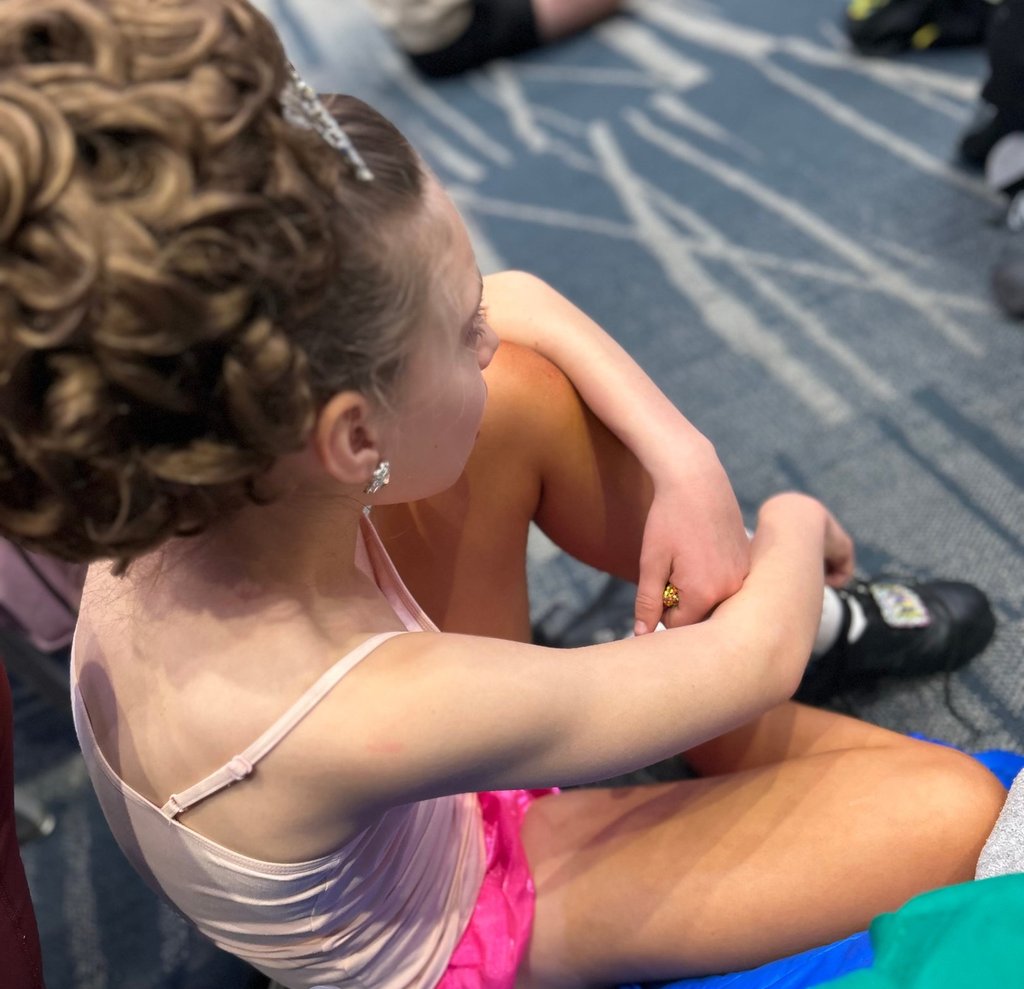
The Oireachtas (or any major championship) brings huge emotional stakes for dancers. Weeks, months, or years of training can feel like they hinge on a few minutes on stage. When the result doesn’t match the effort, dancers often spiral into self-blame or confusion. This post is meant to guide you through the normal emotional aftermath and help you turn disappointment into growth.
If you didn’t place how you had hoped or expected, it is completely understandable to be upset. Give yourself permission to feel frustrated, angry, sad, or confused.
But resist analyzing everything for the first 24–48 hours. Your thoughts immediately after competing are often the least accurate. With some distance, emotions settle, and the harsh self-criticism gradually shifts into curiosity and learning.
You realize your identity is still intact and your worth is not determined by how you place. You begin remembering the other talents you have and that your core values matter more than someone else’s perception of your dancing.
And let’s be clear: It is unrealistic to tell someone to “stop caring” about results. Loving Irish dance and wanting to win, qualify, or recall does not make you result-obsessed. It means you’re invested.
Rumination happens for a reason: your brain is trying to understand how to do better next time.
When You’re Ready: Reflect Without Self-Attack
When something doesn’t go as desired, we obsess about it precisely to learn how to make it happen in the future. This is where we can turn the criticism (“I’m not good enough”) into curiosity (“How can I improve?”).
After a day or two of rest, good food, sleep, and venting, try a simple 3-column debrief:
• What I nailed
(keep this the priority)
• What went wrong
(be general, not self-punishing)
• One controllable next action
(“spend the next training block improving flexibility,” “practice endings under fatigue,” etc.)
Be honest with yourself.
This turns the narrative from unproductive negativity to actionable progress.
Next, reframe the day: “This Oireachtas was an experiment to see how I perform this year against this cohort. The result is just data.”
Failure in this domain only exists if you don’t learn anything!
Protect Your Confidence
Look back on the past season or past year:
Pick 2–3 moments where you were proud—maybe it was stamina in your set dance, getting through a tough class, or beating out a hard rhythm that’s taken you weeks or months to master.
These matter.
Rebuild Motivation Through Process Goals
Set attainable, short-term targets such as:
• “Complete 90% of my planned workouts for the next 6 weeks.”
• “Do focused turnout drills 10 minutes before/after each practice.”
• “Run through endings twice per week under mild fatigue.”
Process goals rebuild confidence and momentum.
Social Support
Make sure to spend time with people who see you as more than a dancer. Social support matters more than most realize.
They will help keep you grounded and remind you of your worth. They will listen and also provide a new perspective. Loved ones seem to know how to keep us afloat when our minds try pulling us under.
When the Feelings Don’t Lift
For some dancers, the disappointment lasts longer. In that case, take a break. Truly.
Although Irish dancing does tend to become a personality, we really do have many other interests and talents worth embracing.
Two weeks of exploring other hobbies, sleeping in, being outside, going to a group exercise class, or doing anything that reminds you you’re a full human—not just a competitive Irish dancer—can reset your system.
The desire to dance usually returns on its own. If it doesn’t, that may be valuable information too.
Get Back On The Horse
Another strategy to take is to sign up for a feis. Go back out there and prove that you can make the necessary corrections to better your dancing. This may come down to an inadequate warmup that you work to figure out, or even combating pre-comp nerves. Get back to the stage to show what you wanted to show the last time.
Disappointment is part of taking the risk to compete. You chose to compete because you believed in something about your dancing. Remember that.
Social
Phone
info@jigstrongcoaching.com
+1 415 301 0043
© JigStrong Coahing 2025. All rights reserved.